AI agents explained
An AI agent is software that takes a goal and chooses its own steps while it runs, calling tools and checking its work. For example, it reads a supplier's email about a late delivery and moves the date in the ERP. Rule-based automation and robotic process automation (RPA) instead replay steps someone fixed in advance.
New to the vocabulary? Plain-English definitions, each with a short video: AI agent, Agentic, AI automation, RPA, Human in the loop. See the full AI glossary →
11 articles · latest October 18, 2026
How agents differ from rule-based automation and RPA

Agentic AI vs traditional automation: the reliability gap.
Rule-based automation decides once, when it is built, and an agent decides again on every run. That costs reliability on long work, where the best agent tested finished 20.6% of 108 real computer workflows (OSWorld 2.0, 2026).

AI agents vs RPA: why your bots keep breaking.
Only 4% of organizations run more than 50 software robots (Deloitte Global RPA Survey, 2018). Bots replay clicks on a fixed screen, so one moved button can stop a report, and the article lists when RPA still fits.
Autonomy, human review and agents for support, marketing and Slack
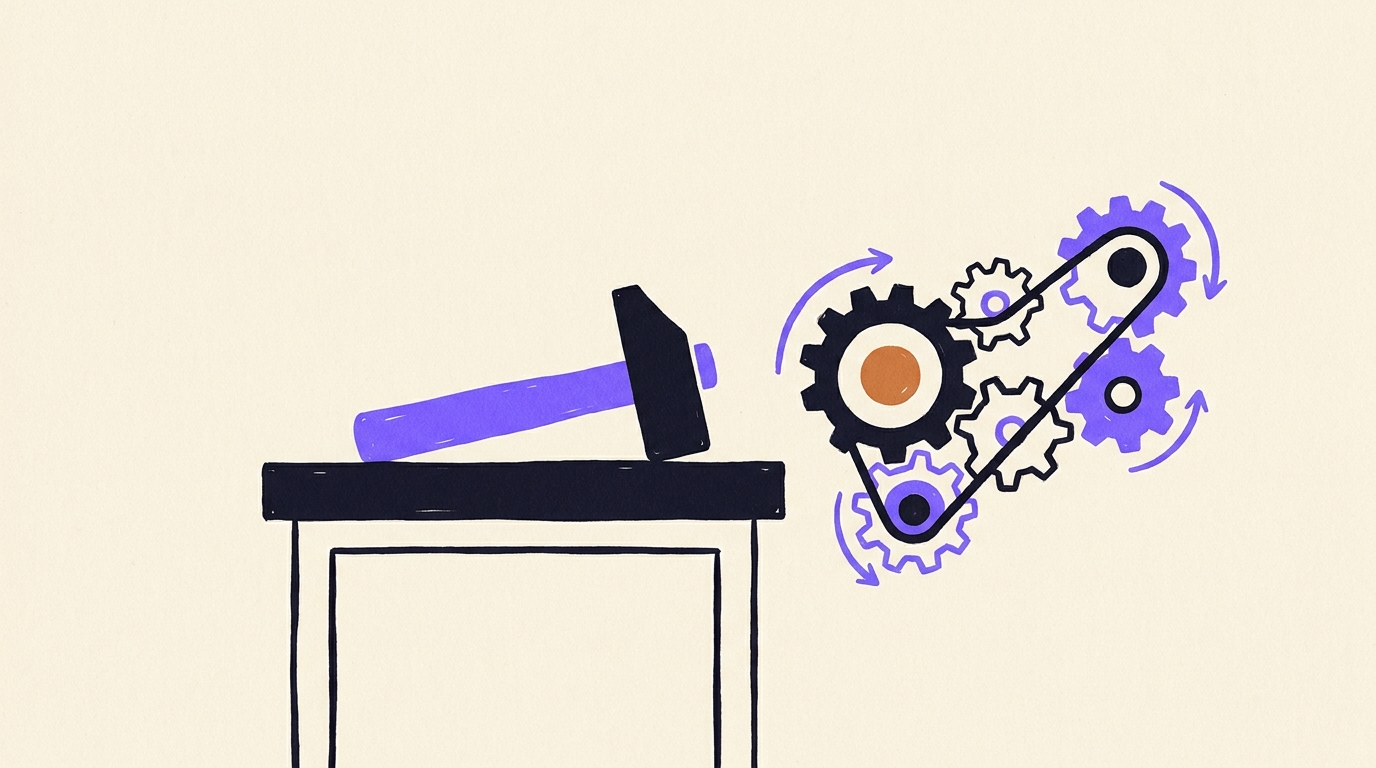
AI agent vs agentic AI: what the difference really is.
AI agent versus agentic AI: one is a component, the other a design. Gartner expects 40% of agentic projects canceled by 2027. Here is how to tell them apart.
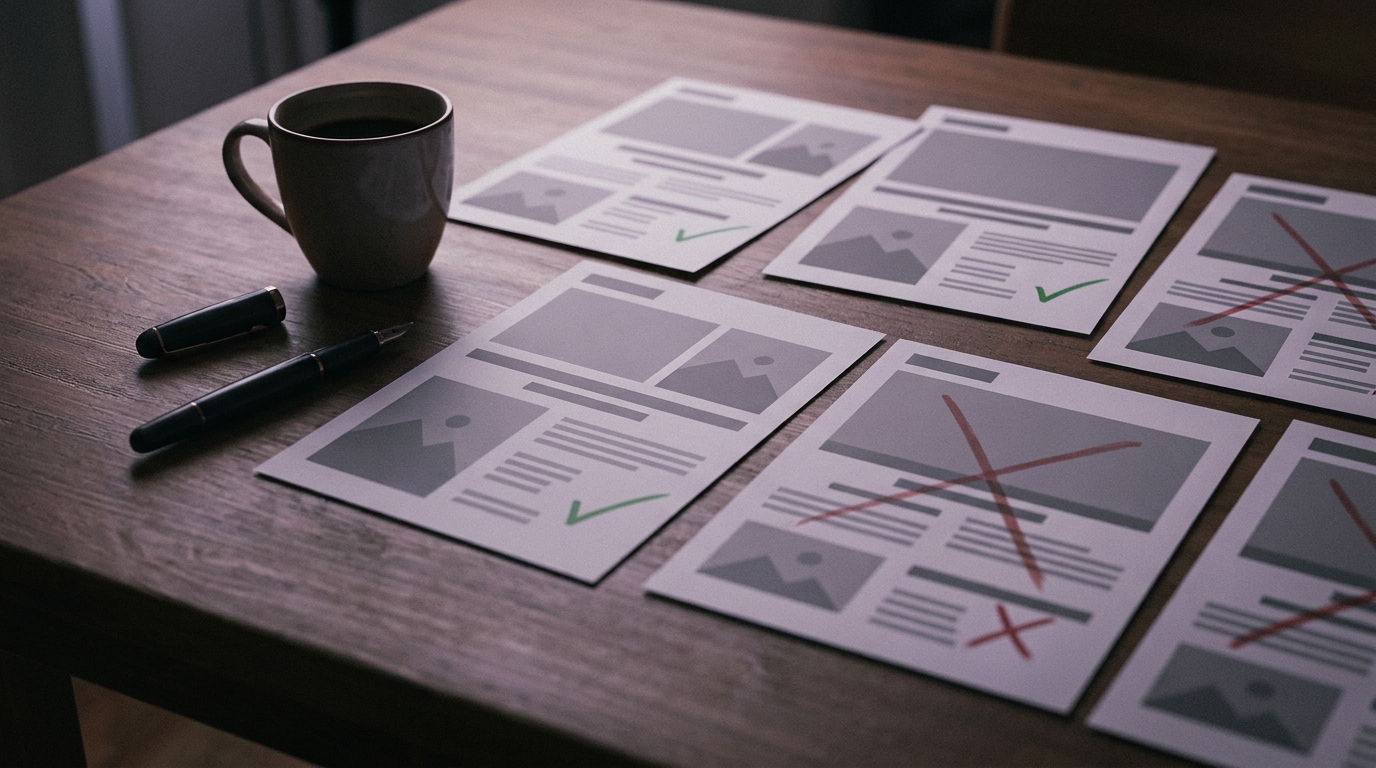
AI marketing agents: what they do and what they don't.
Weekly reporting and lead routing are safe first jobs for a marketing agent, and positioning stays with a person. So far only 13% of marketers say they use agentic AI (Salesforce, 2026).

AI agents for business: why buying one isn't enough.
Only 5% of companies say their processes are highly prepared for AI agents (Deloitte, 2026). It compares three ways to get one, using a single test: who rebuilds the agent when a connected app changes.

An autonomous AI agent runs on a dial, not a switch.
Autonomy works like a dial, with five levels set by the role the person keeps. In live systems, 68% of agents stop for a person within ten steps (UC Berkeley Sky Lab et al.).

AI agents for customer service, six months in.
Forrester expects only one in four brands to get even a 10% lift in self-service by the end of 2026. Most of the running cost is upkeep, like updating the agent when finance cuts the refund window from 30 days to 14.

AI email responders that keep a human in the loop.
A tribunal in British Columbia held Air Canada liable for a bereavement discount its chatbot made up. In the email flow it describes, a person approves each AI draft, which takes 10 to 30 seconds.
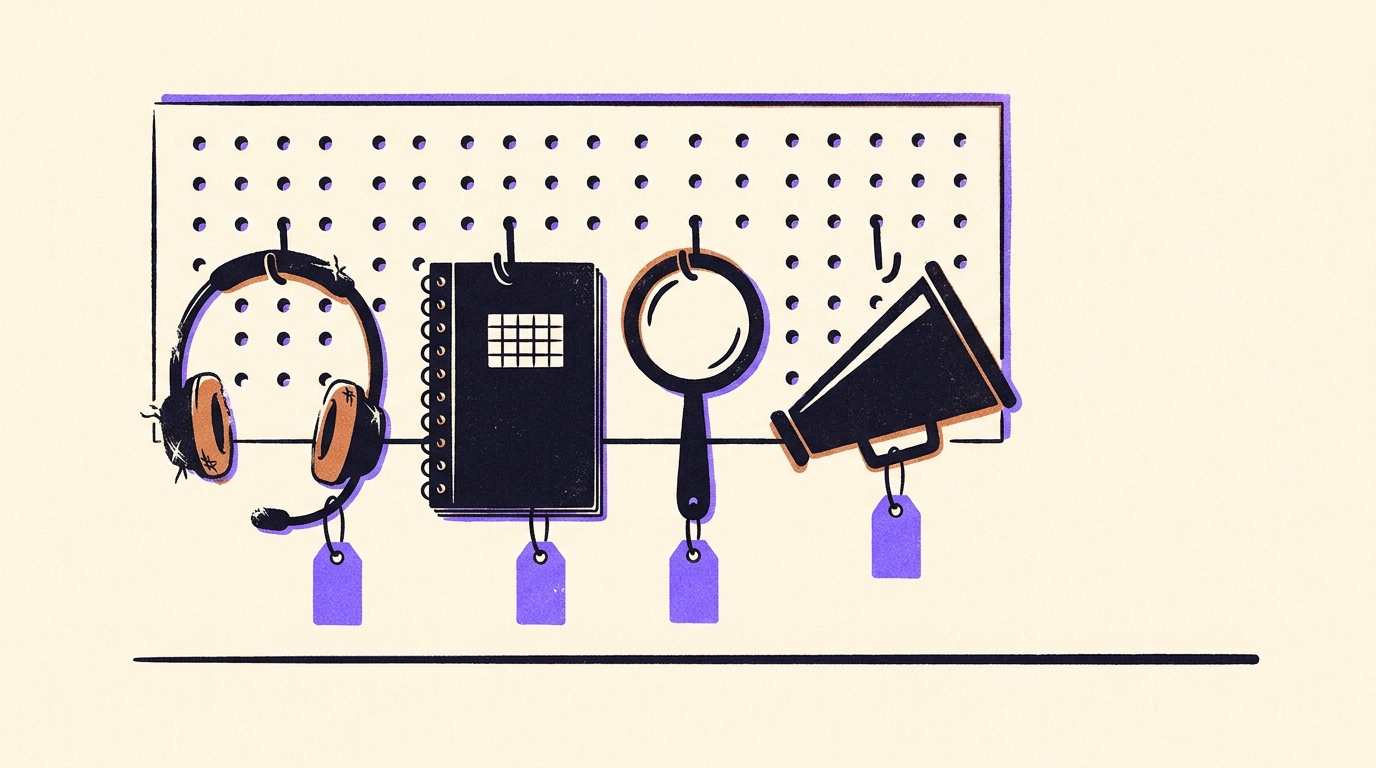
AI agent examples and what they actually deliver.
Klarna's support assistant handled 2.3 million chats in its first month, the work of 700 full-time agents (Klarna, 2024). Each example from sales, support, HR and finance comes with what it takes to keep it running.
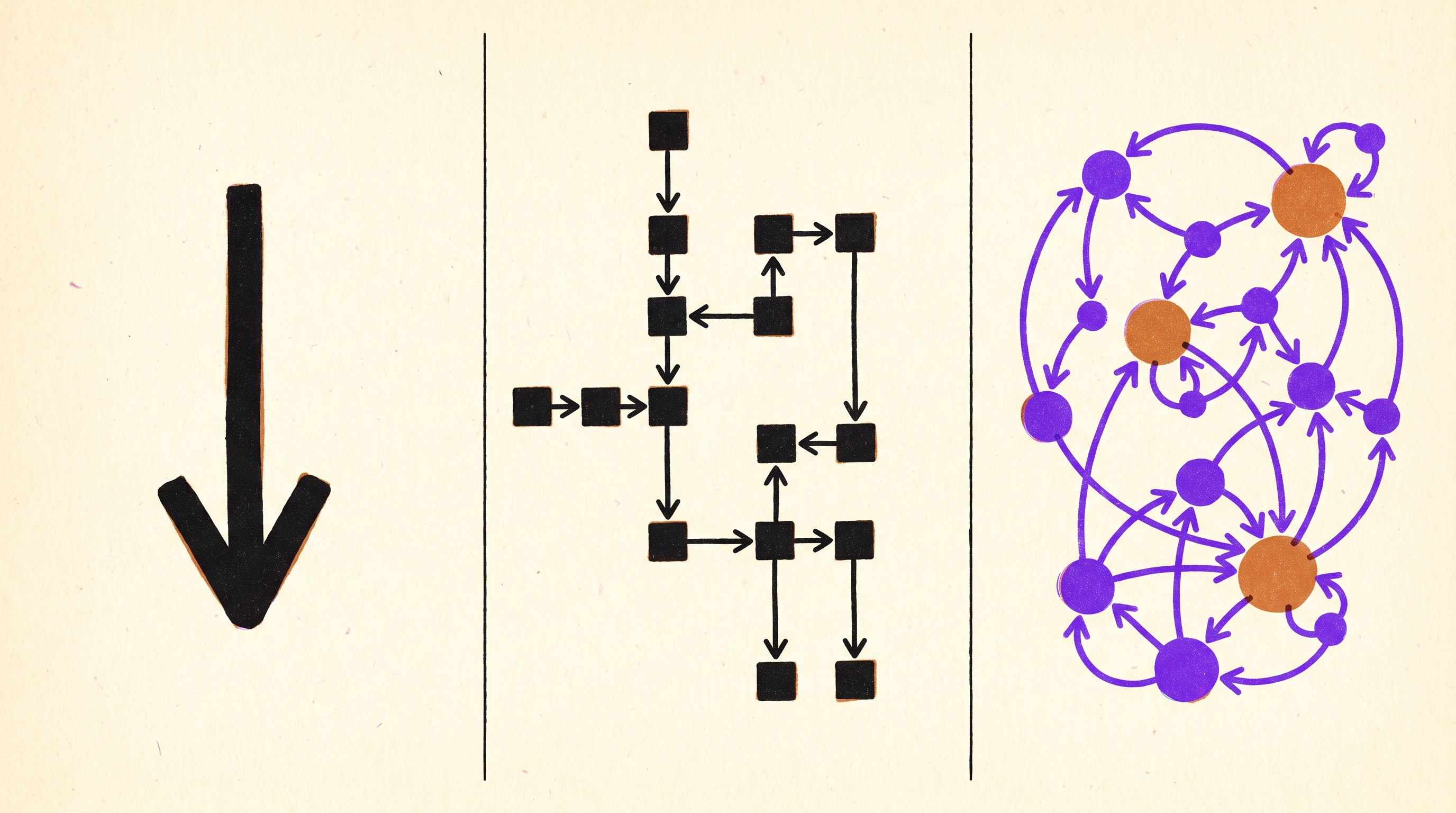
What agentic workflows actually are. And what they're not.
Work splits into manual, rule-based and goal-directed steps. Anything that touches money or compliance belongs in fixed code, with AI at the edges for messy input, and four signs show when a process should skip AI.
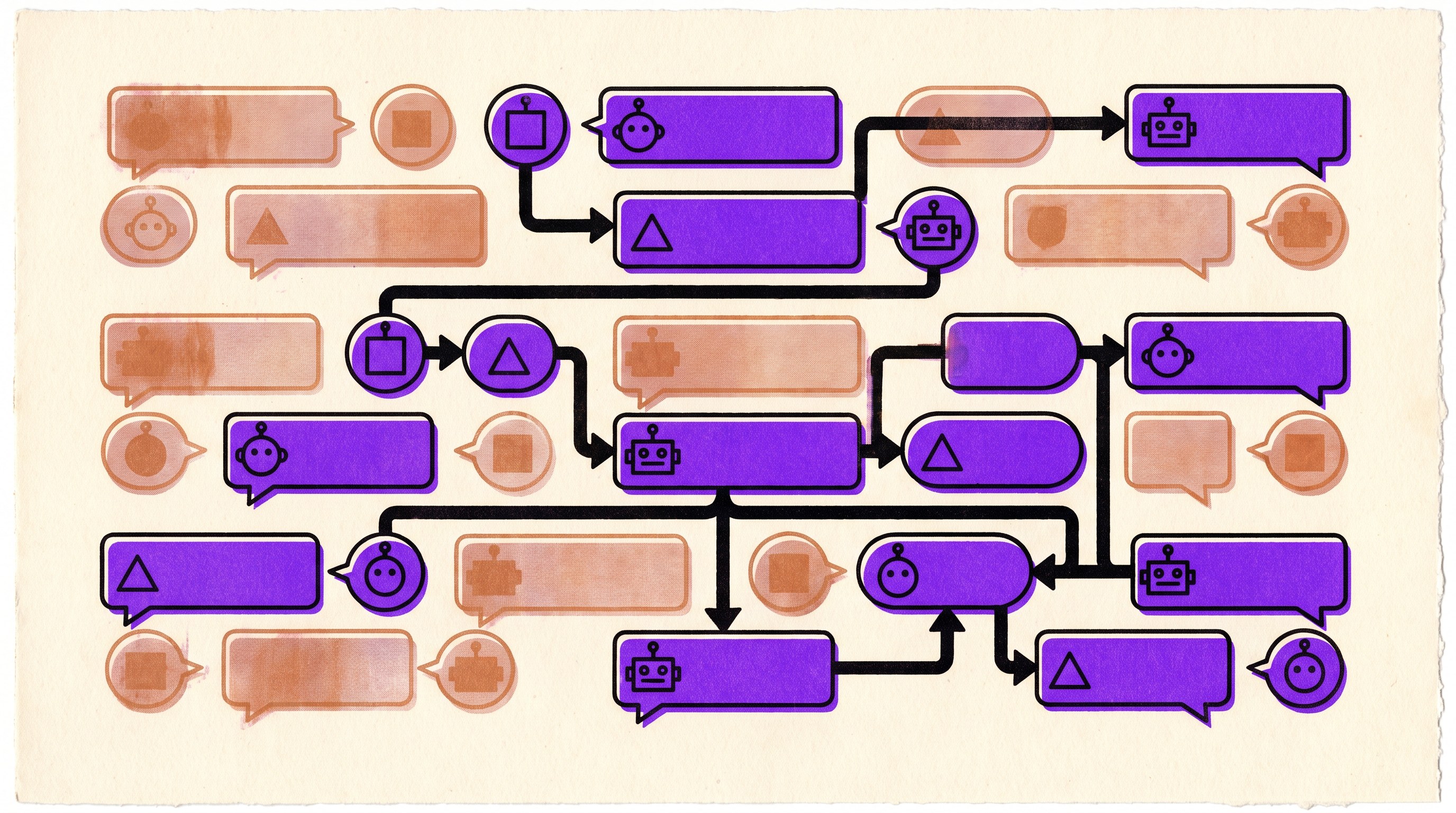
The AI agents that should be living inside your Slack.
Leads answered within five minutes convert at 9 times the rate of leads left two hours or more (InsideSales.com). Routing them is the first of six Slack agents covered, along with why in-house builds break in month three.
Where AI agents slip
An AI agent picks its next step while it runs, which lets it handle input no rule was written for and means the same input can come out differently on a second run. The variation grows with the length of the task. Salesforce AI Research scored leading agents at about 58% on single-turn CRM tasks and around 35% once the same tasks ran over several turns (CRMArena-Pro, 2025).
A person checking the output helps only when the check is real: in a 2024 study in the journal Cognitive Research, reviewers who saw the AI's answer first were right 36.8% of the time, against 66.2% when they judged on their own first. Our agents are mostly tested code that does the lookups and writes the same way on every run, with AI kept to the step that reads a messy email or document. Our team runs each agent and fixes it when a model or a connected app changes.
Source: Cognitive Research: Principles and Implications (2024)
Questions about AI agents
How is an AI agent different from a chatbot or a copilot?
A chatbot answers questions and a copilot drafts something for you to place. An agent takes the action itself, such as updating the order, routing the lead or writing the weekly report into the right system. The test is whether the task is complete once it runs, with nothing left for a person to do by hand.
When is rule-based automation or RPA the better choice?
When every input has one correct output, rules cost less per run and give the same result every time, which is what an auditor wants to see. RPA still fits high-volume work on an older system that rarely changes, as long as someone is on hand to repair the bots. Agents are worth their cost on messy input like a supplier email or a scanned PDF, which is usually a small share of the steps in a routine.
Do AI agents need a human in the loop?
Most live agents have one. Researchers at UC Berkeley's Sky Lab and partner institutions found that 68% of agents in live systems take ten steps or fewer before a person steps in. Keep an approval step on anything that touches money, customers or regulated data, and give reviewers the context to judge before they read the AI's draft.
What should a first AI agent take on?
A routine that repeats at least weekly, has a clear finished state and costs little when it goes wrong. Lead routing, ticket triage, weekly reporting and invoice matching are common first picks. Leave the company's most painful process for later, since it is often painful because the rules are unclear or two teams disagree about them.
Why do AI agents stop working after launch?
The business around them changes. A refund policy moves or a vendor updates its software, and the agent keeps working from what it knew. Gartner expects more than 40% of agentic AI projects to be canceled by the end of 2027 citing rising costs and unclear business value (Gartner, 2025).
Agents built on tested code and run by our team.
You describe the routine in plain words, and we build the agent as tested code with AI only for the fuzzy parts, like reading a messy email, then run it and fix it when a model or connected app changes.