AI adoption
AI adoption is the move from people using AI tools to think with, to agents that do routine work on a schedule with someone responsible for them. An employee drafting emails in ChatGPT is usage. An agent that enriches and routes every inbound lead into the CRM, and gets fixed when a form field changes, is adoption.
9 articles · latest October 4, 2026
Why AI pilots stall, and who keeps them running
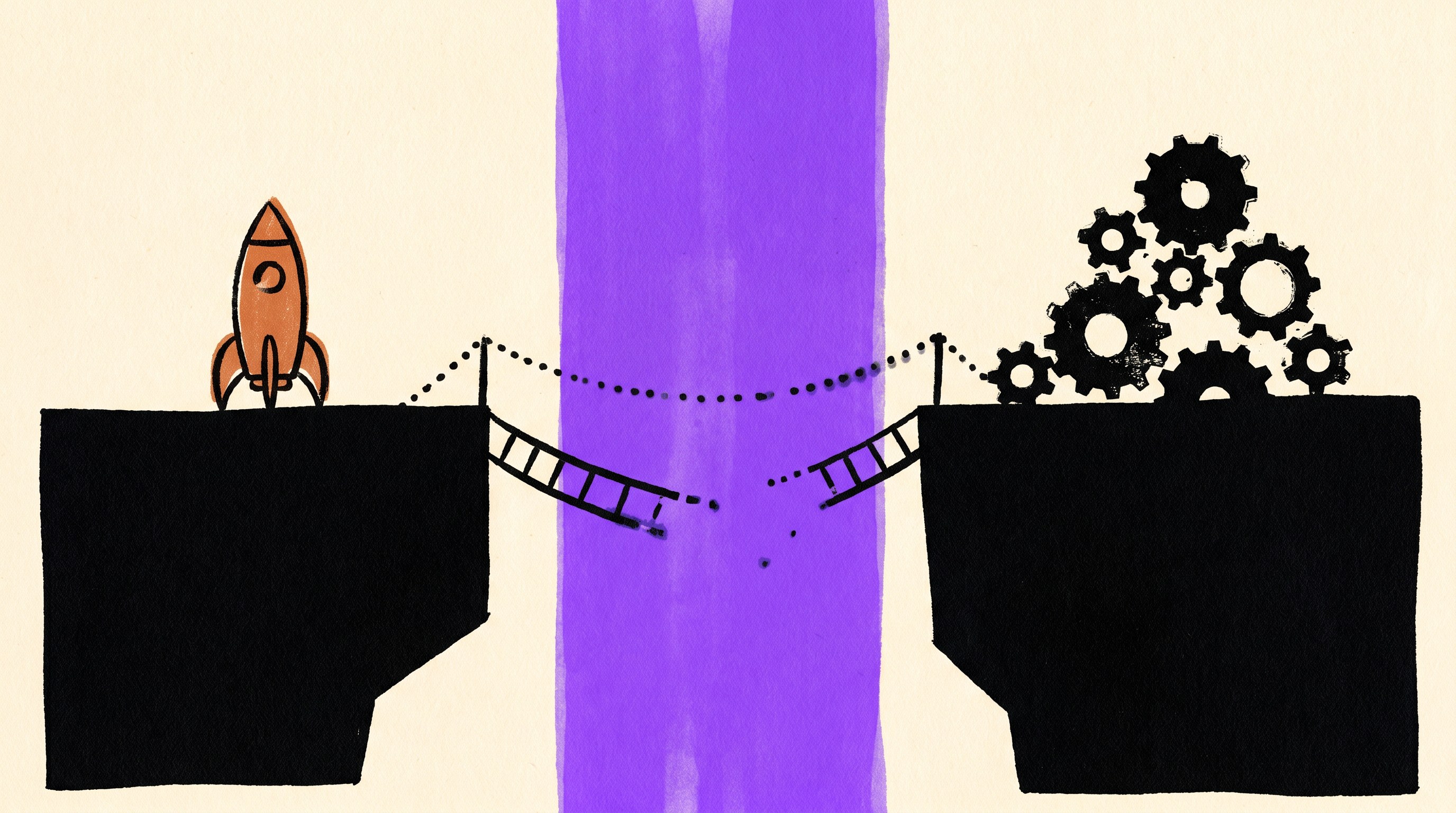
The execution gap: why 91% of AI pilots stall.
88% of organizations use AI, and only 6-9% see measurable impact (McKinsey, via Stanford AI Index 2026). Includes a lead-routing pilot that worked for eight weeks and stopped after a CRM migration.

AI automation agencies: what happens in month seven.
Deloitte found 83% of executives already use AI inside outsourced services, and only 20% had a strategy for managing it (Deloitte, 2024). Four kinds of firm share the agency label, and one question sorts them.
Rollout habits that stall AI, and what to measure instead
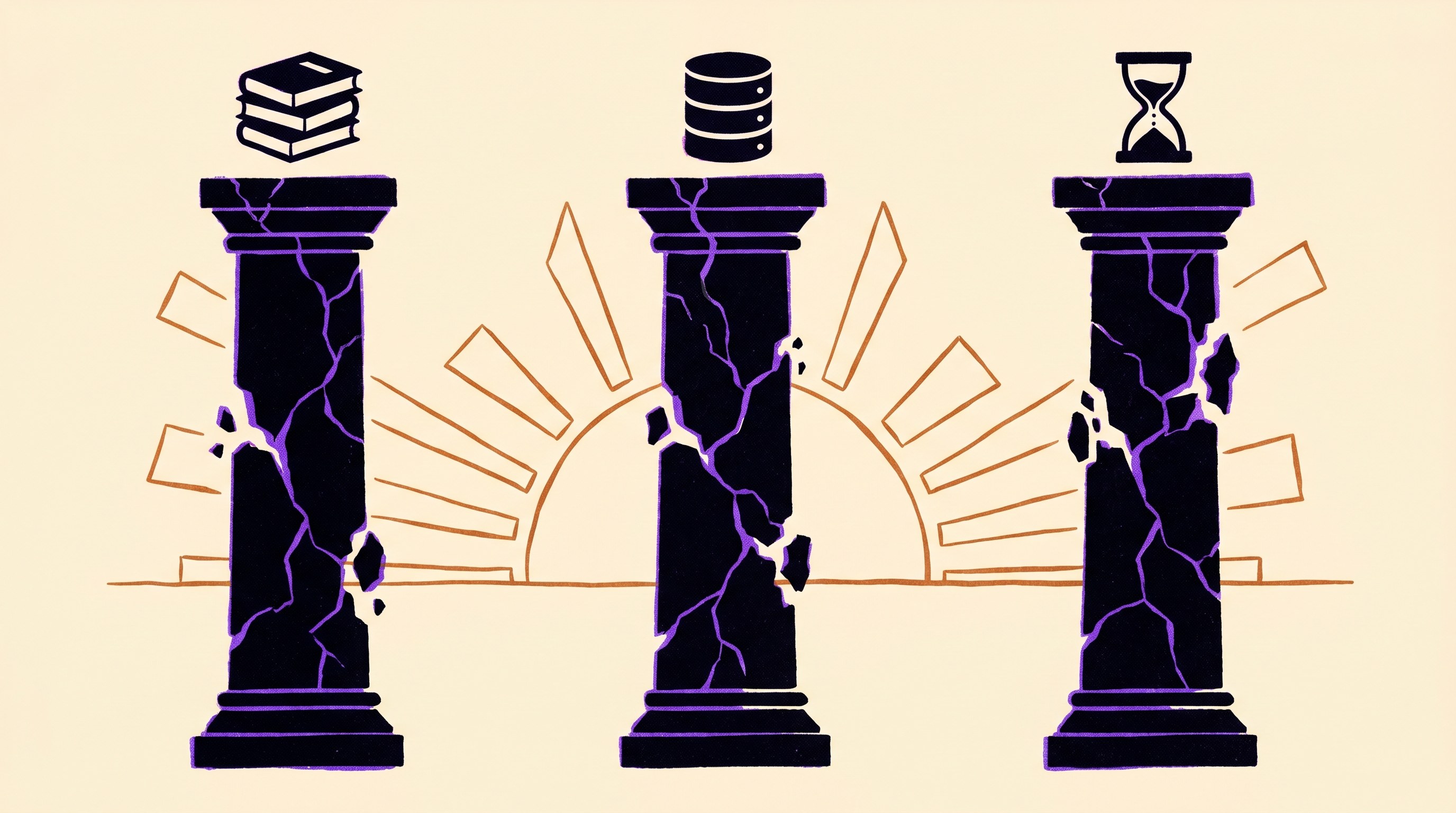
Three myths slowing your AI rollout.
Waiting has a cost: the gap between AI leaders and laggards in the same industry grew for a third year in a row (Stanford AI Index 2026). Why training can run alongside the first agent, and which routines need no data cleanup.
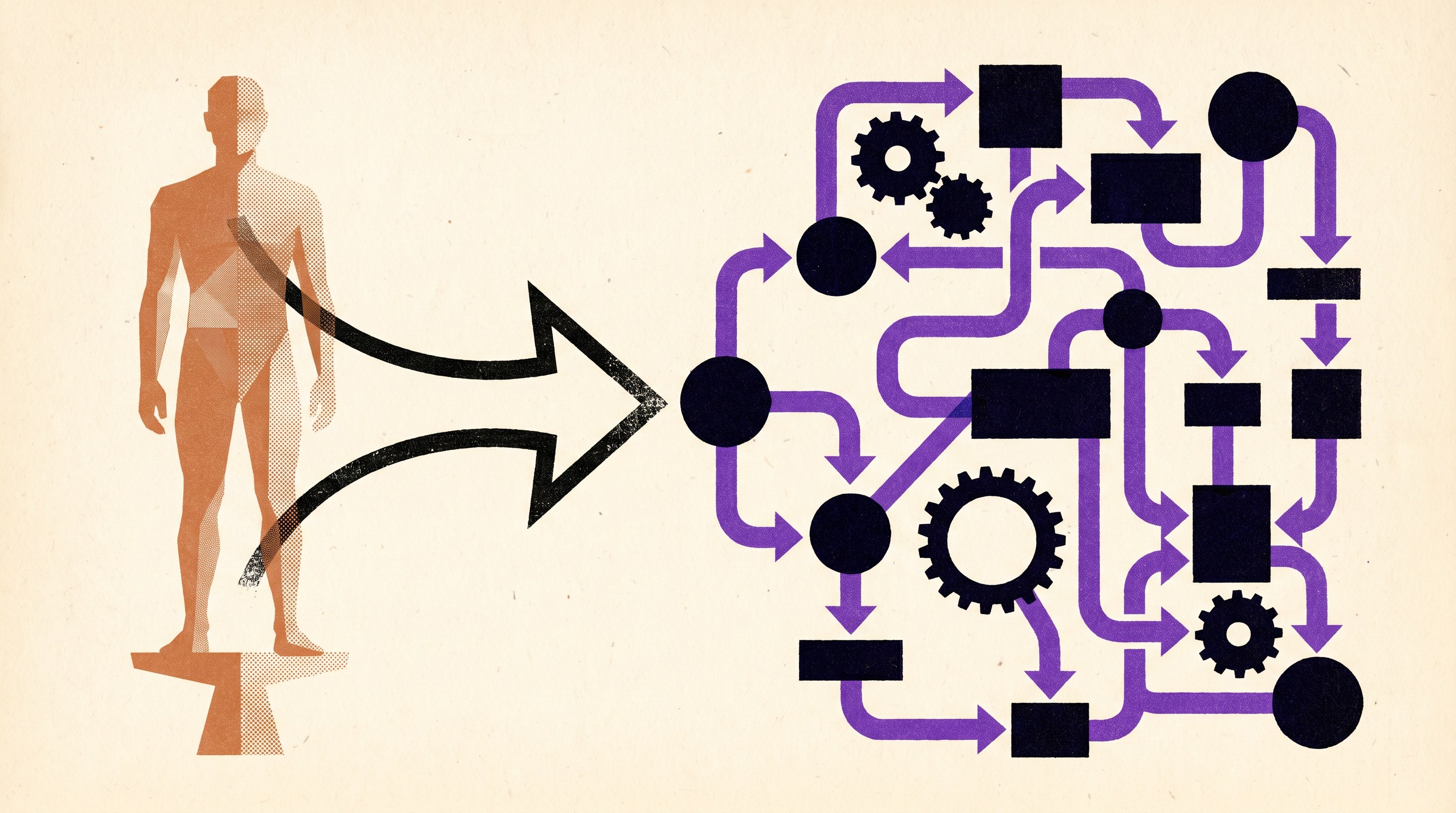
Why the AI champion model is dying.
The AI champion job was usually 20% of someone's week, on top of a day job and with little or no budget. Why champions could teach prompting but rarely put an agent live, and who should own the routines now.
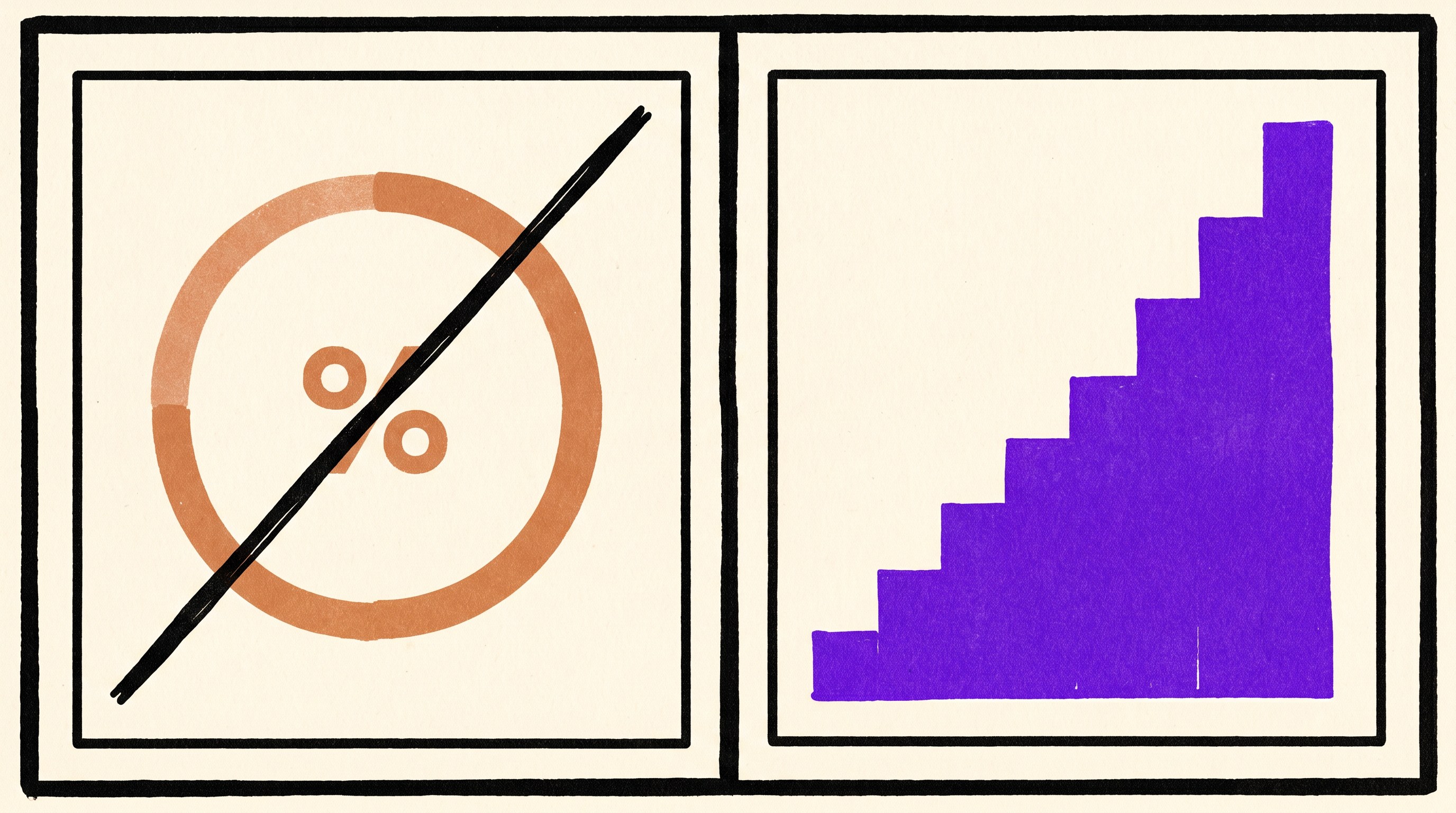
AI literacy is the wrong KPI. Here's the right one.
Training completion shows what people learned. The Routine Coverage Ratio counts the share of routine hours agents now handle, so a finance team covering 60 of its 240 weekly hours sits at 25%.
What consultants and service firms leave you to maintain

What intelligent automation services really sell you.
Most providers sell a project you inherit or a retainer that grows with every routine you add. 80% of robotic process automation developers were open to new roles (UiPath, 2021), so the people who built your bots may not be there to fix them.
How to hire an automation consultant, and when not to.
Three questions tell you whether you need a consultant at all. Getting it built is the easy half, since 79% of people responsible for process automation lack effective control of what already runs (Camunda, 2025).
Marketing automation consultants: what they leave behind.
Only 41% of teams have a dedicated data governance owner (Validity, 2026), the person every handover document assumes exists. Four ways a handed-over HubSpot or Marketo build decays after the consultant leaves.
AI automation consulting: what you own when they leave.
Clients like the advice: 73% bought AI consulting in 2024 and 95% were satisfied, while the work stayed point solutions (Source Global Research, 2025). What each contract type leaves running after the final readout.
Where AI adoption stalls
McKinsey's State of AI 2025 found that 88% of organizations use AI in at least one business function, while fewer than 1 in 10 see measurable business impact. Most of that gap opens after a pilot works, when a CRM migration renames the form fields or a model update shifts the output and the builder has moved on.
Outside help improves the odds: MIT NANDA found AI bought from specialized vendors succeeded 67% of the time, and internal builds a third as often. Both usual paths still leave the upkeep with you, because licenses leave your team to build and repair everything and most agency contracts hand the automation back at go-live. Uplift is the tool and the team in one: you describe the routine, and we build the agent as mostly tested code, with AI only for steps like reading a messy email, then run it and fix it when an app or model changes.
Source: S&P Global Market Intelligence, 2025
Questions about AI adoption
What is the difference between using AI and adopting it?
Using AI means people work with a chat assistant to draft emails or summarize documents. Adopting it means an agent handles a routine by itself, on a schedule, with a named person or partner responsible for keeping it working. Most companies have a lot of the first and very little of the second.
Why do AI pilots stall after a good demo?
A pilot runs on clean inputs with its builder watching. Once it is live it meets the rest of the stack, like a CRM migration or a model update that changes the output. Without an owner and a budget for those repairs, the work drifts back to a person within a few months.
Who should own AI adoption inside a company?
Whoever has the budget and the authority to put agents live and keep them maintained. That can be an operations-led team or an outside partner accountable for delivery. A single AI champion with a day job and no build budget tends to end up running workshops while the routines stay manual.
How do we measure AI adoption?
Count routine work instead of training hours. List each team's repeat tasks with rough hours per week, then track the share handled by agents that have run on real work for at least 30 days. Our article on AI literacy calls this the Routine Coverage Ratio.
Should we hire an agency, a consultant or build it ourselves?
Buying licenses leaves your own team to build and maintain everything. Hiring outside experts gets the build done faster, and most contracts hand the automation back to you at go-live. Whichever you pick, ask who fixes it when a connected app changes and whether that repair is billed. Uplift builds, runs and maintains the agents for one flat price per package.
AI agents, built and run for you.
You describe the routine and we build the agent, test it, keep it running 24/7 and fix it when an app or model changes, for one flat monthly fee per package of agents.